Sinto Advanced Ceramics USA

Additive Contract Manufacturing of Technical Ceramics

Custom 3D Printed Ceramic Parts for Prototyping and Production

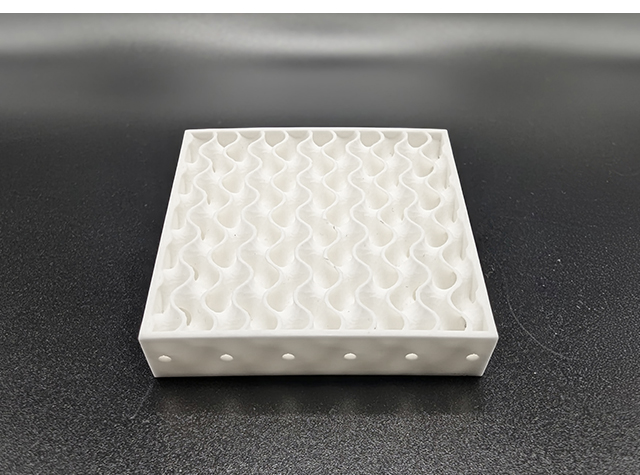
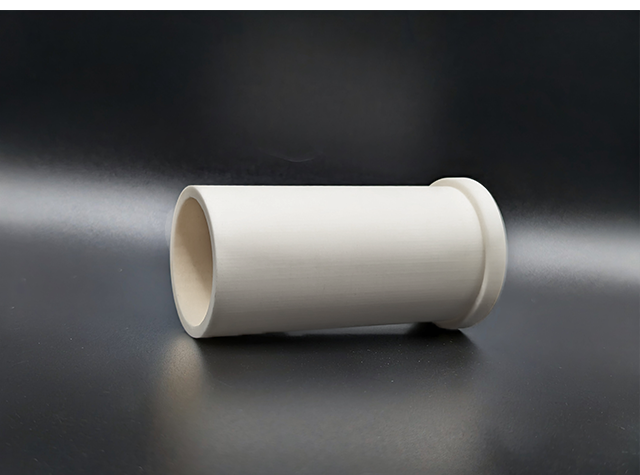
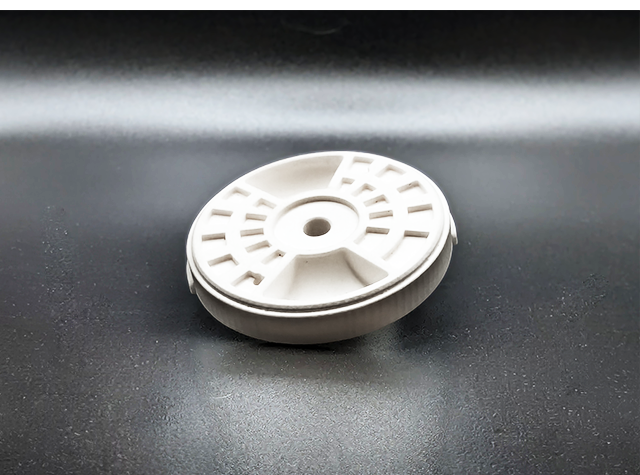
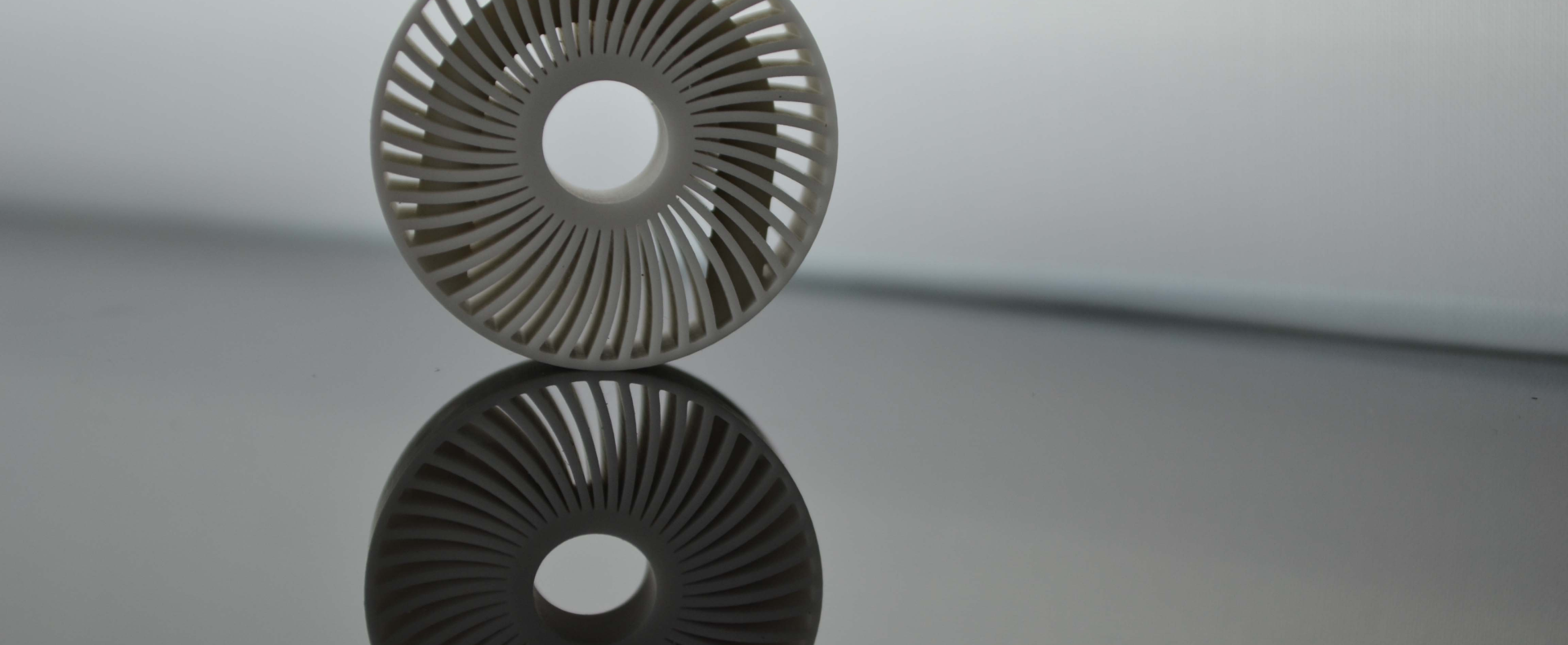
Sinto Advanced Ceramics USA provides ceramic 3D printing services for prototypes, production parts, and custom technical ceramic components. Using advanced additive manufacturing technologies, we produce high-performance alumina, zirconia, silica, and specialty ceramic parts for aerospace, industrial, electronics, foundry, medical, energy, and other demanding applications.

From concept to production, our engineering team helps accelerate product development through material selection, design optimization, and additive manufacturing expertise. At our facility in Grand Ledge, Michigan, we utilize advanced ceramic printing technologies, including Stereolithography (SLA) and Lithography-based Ceramic Manufacturing (LCM), to deliver exceptional material properties, complex geometries, and superior surface finishes for both prototype and production applications.

Ready to bring your design to life? Call (517) 371-2460.

  • Optimize designs for improved performance and functional integration
  • Select the right ceramic material for your application requirements
  • Engineer reliable and repeatable additive manufacturing processes
  • Manufacture high-quality ceramic components in Grand Ledge, Michigan
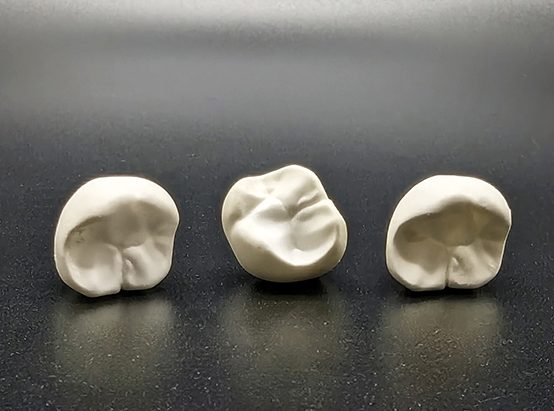
Ceramic 3D Printing for Dental

Ceramic 3D Printing for Investment Castings

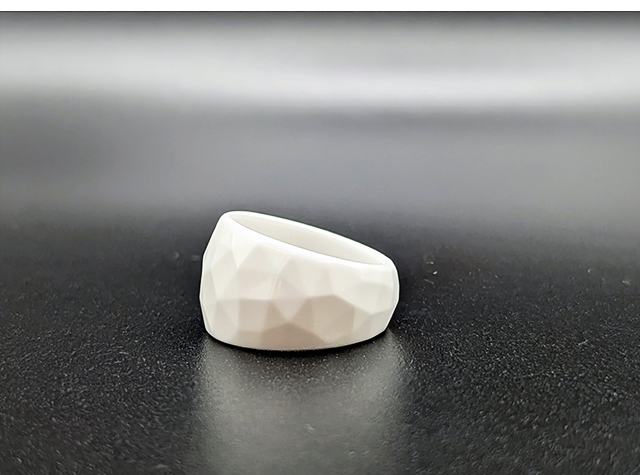
Ceramic 3D Printing for Jewelry

Ceramic 3D Printing for Non Oxides

Ceramic 3D Printing for Electronics

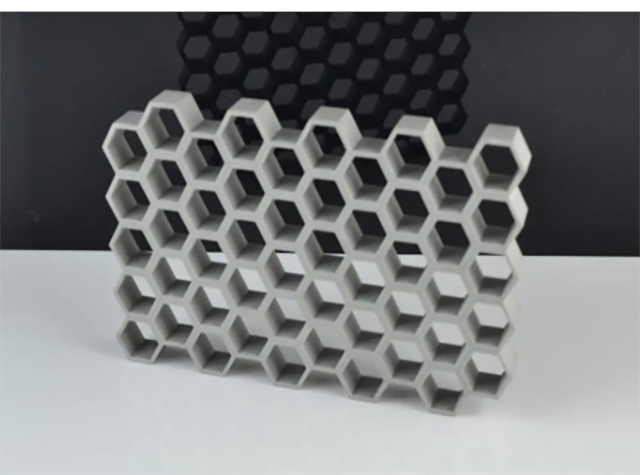
Ceramic 3D Printing for Heat Exchangers

Ceramic 3D Printing for Industrial

Ceramic 3D Printing for Aerospace


Which Material is Right for Your Application?

Al₂O₃ (Aluminum Oxide) is a versatile material widely used in technical ceramics due to its exceptional performance properties. It offers excellent mechanical strength at high temperatures, strong thermal conductivity, high electrical resistivity, outstanding hardness, superior wear resistance, and excellent chemical stability. These characteristics make Al₂O₃ ideal for demanding industrial and engineering applications.

PROPERTIES:

  • Good mechanical strength
  • Good thermal conductivity
  • High electrical resistivity
  • High hardness
  • Good wear resistance
  • Chemically inert

APPLICATIONS:

  • Electrical insulators
  • PCB
  • High temperature structures and connectors
  • Heat exchangers
  • Gas Isolators
  • High temperature part handling
  • Industrial applications

Alumina Toughened Zirconia (ATZ) is valued for its excellent biocompatibility, outstanding wear resistance, and superior thermal shock performance, making it ideal for both biomedical and industrial applications.

ATZ is a composite ceramic made from 20% Alumina and 80% Zirconia, combining the strengths of both materials. This engineered blend delivers enhanced mechanical toughness, improved durability, and reliable performance in demanding environments.

PROPERTIES:

  • High Harness
  • Tougher than straight Zirconia
  • More impact Resistance
  • Biocompatible
  • Resistant to Thermal Shock

APPLICATIONS:

  • Jewelry
  • Watches
  • Implants
  • Hot Structures
  • Industrial wear

ZrO₂ (Zirconia) is a high‑performance ceramic material known for its outstanding mechanical properties at room and elevated temperatures. It can be color‑enhanced, making it suitable for both technical applications and decorative uses such as jewelry. Zirconia offers low thermal conductivity at room temperature, becomes electrically conductive above 1000°C, and delivers exceptional hardness, wear resistance, chemical stability, and strong resistance to molten metal attack.

PROPERTIES:

  • Excellent mechanical properties
  • Chemical inertness
  • High hardness
  • High Toughness
  • Impact Resistant
  • Resistant to thermal shock

APPLICATIONS:

  • Dental Prosthesis
  • Luxury Consumer goods Jewelry Watches
  • Fuel cells (SOFC, SOEC)
  • Fiber optic connector
  • High wear items with custom shaping

Silicore is a specialized ceramic formulation engineered specifically for foundry core applications. Based on a silica-rich composition, it delivers high mechanical strength while maintaining a porous structure that improves leachability—even in highly complex geometries. This unique combination of strength and controlled porosity makes Silicore an ideal solution for demanding casting processes.

PROPERTIES:

  • High mechanical resistance
  • Pourous
  • Leachable
  • High resolution for detailed products

APPLICATIONS:

  • Cores
  • Shells
  • Core and shell combinations
  • Turbine blades
  • Turbo
  • Super alloy
  • Traditional

Customized 3d Printed Ceramics Manufactured in Grand Ledge, MI

Sinto Advanced Ceramics is an USA ceramic component manufacturer, with ceramic 3D printing services. We manufacture alumina, zirconia, ATZ, silica, and specialty ceramic components for prototyping and production applications requiring wear resistance, thermal stability, electrical insulation, and chemical resistance.

Complete printing, cleaning, and sintering facilities for oxide ceramics in place.

From Prototype to Production

Whether you need a single prototype or ongoing production volumes, Sinto Advanced Ceramics USA provides scalable ceramic additive manufacturing solutions. Our capabilities support rapid prototyping, design validation, low-volume production, and end-use ceramic component manufacturing.

  • Functional prototypes
  • Design validation
  • Short-run production
  • Low-volume manufacturing
  • Production ceramic parts
  • End-use ceramic components

Ceramic 3D Printing Services

Sinto Advanced Ceramics USA provides ceramic 3D printing services for prototype development, production manufacturing, and custom technical ceramic components. Our team supports material selection, design optimization, additive manufacturing, and final production to help customers bring innovative ceramic solutions to market.


Explore the complete lineup of advanced 3D printers and systems

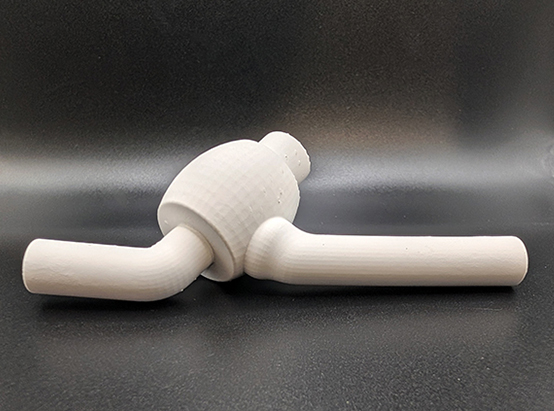
6 Months to 3 Weeks: How Ceramic 3D Printing Transformed Investment Casting Core Productions

A recent valve body project reduced core costs by 99% and cut lead times from 6 months to 3 weeks using ceramic 3D printing. Faster customer delivery, lower costs, and greater design flexibility for complex castings. This project demonstrates how ceramic 3D printing can accelerate innovation while reducing manufacturing costs. 𝑷𝒓𝒐𝒋𝒆𝒄𝒕 𝑹𝒆𝒔𝒖𝒍𝒕𝒔 𝒂𝒕 𝒂 𝑮𝒍𝒂𝒏𝒄𝒆:
🔴 99% Cost Reduction: Core cost: $50,000 → $500
🔴 90% Reduced Lead Times: 6+ months → 3 weeks
🔴 12x Faster Core Leaching: 6 hours → 30 minutes

View Case Study

Mixing Beyond Metals – Solving Compatibility Issues by Printing Ceramics

When traditional stainless steel mixer blades began contaminating resin batches due to wear, a manufacturer needed a better solution. By leveraging 3D printed zirconia ceramic components, they eliminated material contamination, improved durability, and significantly reduced costs and lead times compared to traditional ceramic manufacturing methods. A great example of how additive manufacturing is solving real-world production challenges.

View Case Study

Bond Strength Enhancement for Additively Manufactured Zirconia: Micro-Retentive Design Approach

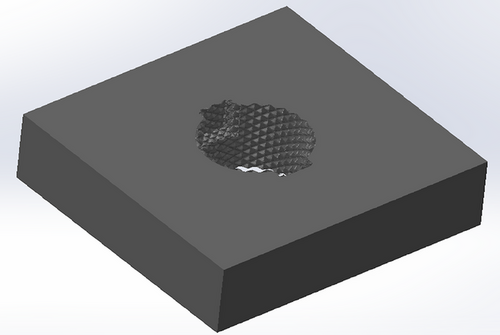
Materials and Methods- Sixty titanium base abutments (NobelParallel, NobelBiocare), pretreated with 50 µm alumina particles were divided into four groups (n = 15 per group); one group with subtractively manufactured zirconia copings (SM), and three test groups comprising one group with AM zirconia copings without any intaglio surface modification (AM-N), and two groups with digitally designed inverted pyramid-shaped micro-textures incorporated to the intaglio surface of the AM zirconia copings with two sizes: Ra 120 µm (AM-120) and Ra 240 µm (AM-240). All copings were bonded to the abutments using a conventional resin cement (Multilink Hybrid). Pull-off tensile strength was measured with a universal testing machine (Instron), and statistical analysis was performed using analysis of variance and post-hoc test.

View Case Study

Frequently Asked Questions

Ceramic 3D printing is an additive manufacturing process that creates complex ceramic parts layer by layer directly from a digital CAD model. It enables the production of high-performance components with intricate geometries that can be difficult or impossible to manufacture using traditional ceramic forming methods.

Sinto Advanced Ceramics uses stereolithography (SLA, also commonly referred to as DLP) to print parts. This process involves taking a resin and selectively curing it to produce a plastic (green) part. The part is then taken through a week long firing process to make it into a fully dense (or optionally a porous) ceramic component.

Common 3D printable ceramic materials include alumina (Al₂O₃), zirconia (ZrO₂), aluminum toughened zirconia (ATZ), silica, and other advanced technical ceramics. Material selection depends on requirements such as wear resistance, strength, temperature resistance, and electrical insulation. Nitride ceramics, as in Aluminum Nitride (AlN) or Silicon Nitride (Si3N4) are also printable. These can be printed at either of our sister sites in Europe or Japan, and we hope to have the ability to do this in the US soon.

Common 3D printable ceramic materials include alumina (Al₂O₃), zirconia (ZrO₂), aluminum toughened zirconia (ATZ), silica, and other advanced technical ceramics. Material selection depends on requirements such as wear resistance, strength, temperature resistance, and electrical insulation. Nitride ceramics, as in Aluminum Nitride (AlN) or Silicon Nitride (Si3N4) are also printable. These can be printed at either of our sister sites in Europe or Japan, and we hope to have the ability to do this in the US soon.

Yes. Ceramic 3D printing is used for both rapid prototyping and production manufacturing. It is ideal for low- to medium-volume production runs, custom components, replacement parts, and applications that require complex geometries.

Ceramic 3D printing offers several advantages, including:

  • Reduced lead times
  • No tooling costs for prototypes
  • Complex geometric capabilities
  • Improved design flexibility
  • Faster product development
  • High wear and corrosion resistance
  • Excellent thermal and electrical performance

Ceramic additive manufacturing is commonly used in:

  • Aerospace
  • Semiconductor manufacturing
  • Electronics
  • Industrial processing
  • Investment casting
  • Energy
  • Medical devices
  • Defense
  • Foundry operations

Yes. Custom ceramic components can be produced directly from CAD files, allowing engineers to optimize designs for performance, weight reduction, durability, and functionality.

Most ceramic 3D printing projects can be quoted using common CAD formats such as STL, STEP, STP, IGES, and SolidWorks files. Design review and engineering support may also be available.

Yes. Zirconia is one of the most commonly used materials in ceramic additive manufacturing. It offers excellent fracture toughness, wear resistance, corrosion resistance, and strength for industrial and engineering applications.

Yes. Alumina is widely used in ceramic 3D printing due to its high hardness, electrical insulation properties, thermal stability, and chemical resistance.

Absolutely. Ceramic 3D printing is increasingly used to manufacture wear-resistant parts such as mixing blades, nozzles, guides, seals, impellers, wear liners, and other components exposed to abrasion and harsh operating environments.

Lead times vary based on part size, complexity, material, and quantity. In general we estimate the production of parts in around 3 weeks after receipt of order for simple components.

In many applications, yes. Ceramic additive manufacturing can produce complex geometries while eliminating multiple machining operations, reducing assembly requirements, and improving component performance. There are still some geometries that make more sense for ceramic machining or injection molding, but we are happy to help identify which parts are the best for printing and which parts aren’t suitable.

There are many factors that go in to determining whether or not it is possible to produce a particular geometry. In general, the major points of concern are:

  1. Part too thick – parts thicker than 6-8 mm may not be possible to successfully print and sinter
  2. Large overhangs – since 3D printing is a layer based method, some overhangs may require supports. While this is possible, supported surfaces are often lower quality
  3. Small features – ultra fine holes or extremely small features on the surface of parts may not fully resolve when printed
  4. Large parts – parts over 280 mm in size may not be possible to fit on the printer in one piece. It is possible to split them into multiple components, if that is allowed by the design.


News

https://sintoamerica.com/testimonials/sinto-advanced-ceramics-capabilities/

Unlock the Potential of 3D Printed Ceramics with Sinto Advanced Ceramics USA

Sinto Advanced Ceramics USA offers the ability to produce high quality 3D printed ceramics without the high barrier to entry often required to make ceramics, whether it is capital equipment in the form of kilns/printers or molds and tooling to produce parts from conventional means. In as little as 3 weeks and $1,000, SAC will deliver high quality ceramic parts to help realize your ceramic component needs.
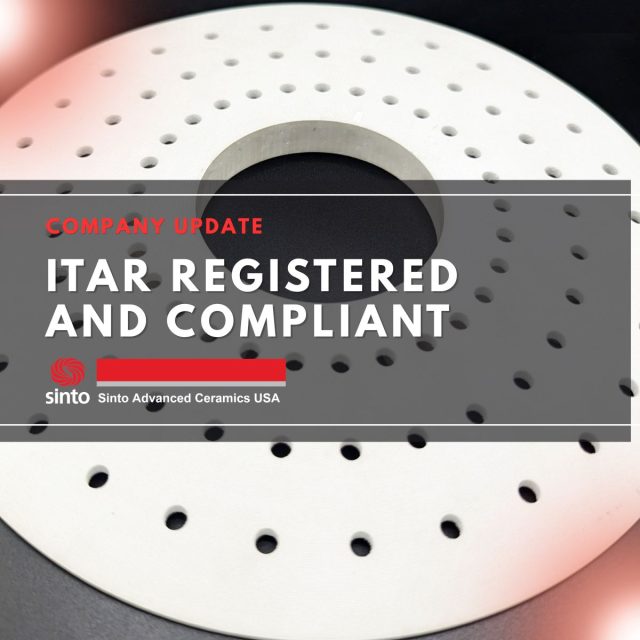
Sinto Advanced Ceramics USA Achieves ITAR Registration and Compliance

Sinto Advanced Ceramics USA Achieves ITAR Registration and Compliance

As industries across the United States work to strengthen domestic supply chains and reduce reliance on overseas production, Sinto Advanced Ceramics USA is proud to announce that its parts production business is now ITAR registered and compliant, positioning the company to support customers in highly regulated industries including aerospace, defense, electronics, energy, and advanced manufacturing.
sinto advanced ceramics usa

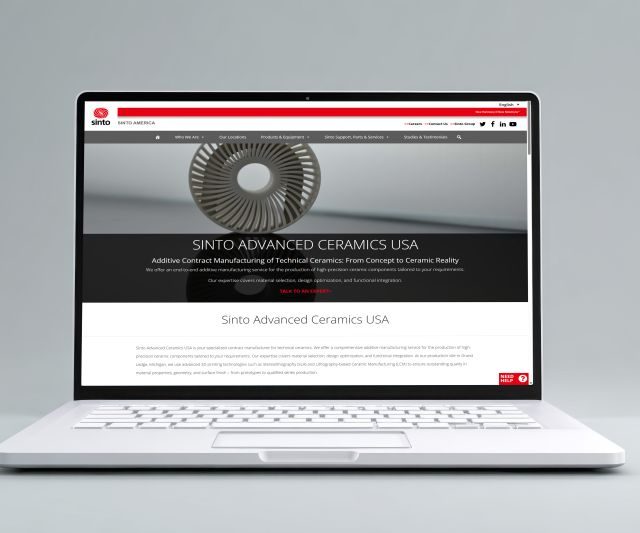
Sinto Advanced Ceramics USA Website Live

Sinto Advanced Ceramics USA offers a comprehensive additive manufacturing service for the production of high-precision ceramic components tailored to your requirements. Our expertise covers material selection, design optimization, and functional integration.

Sinto Advanced Ceramics to Debut at RAPID + TCT 2026

Sinto Advanced Ceramics USA, the newest division of Sinto America, is set to make its official debut at RAPID + TCT 2026, North America’s largest additive manufacturing and industrial 3D printing event. The show will take place April 13–16, 2026, at the Thomas M. Menino Convention & Exhibition Center in Boston, Massachusetts.
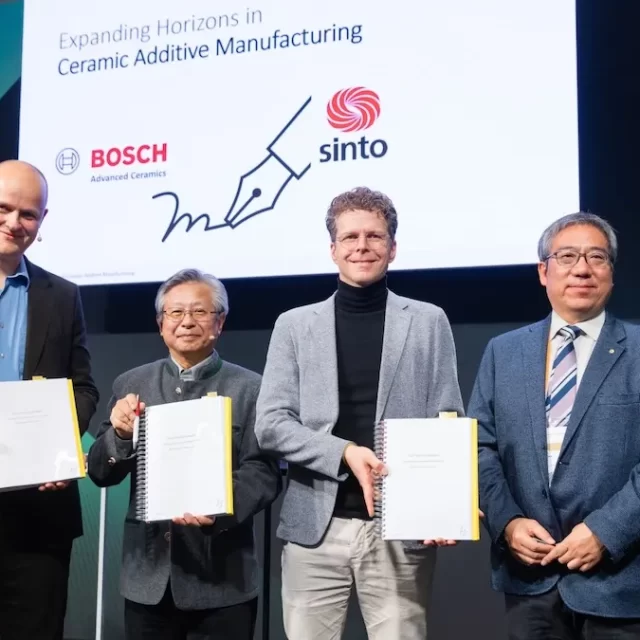
Bosch Advanced Ceramics acquired by Sintokogio Group

From Bosch Advanced Ceramics to Sinto Advanced Ceramics

Bosch Advanced Ceramics has become part of the Sintokogio Group, a global leader in industrial manufacturing solutions. From January 2026 onward, we will operate under our new name Sinto Advanced Ceramics.

Want More Info?

Your Next Chapter Starts Here.

How do you turn a complex idea into a functional ceramic component? How do you achieve precision, performance, and repeatability when tolerances are tight and materials matter?

At the intersection of innovation and material science, Sinto Advanced Ceramics USA helps bold ideas take solid form, one ceramic component at a time.Whether you’re developing a new application, optimizing an existing design, or pushing the limits of technical ceramics, Sinto Advanced Ceramics USA is ready to build what’s next, together.

SAC Contact
Name
Name
First Name
Last Name

Maximum file size: 12MB

Maximum file size: 12MB

Follow Sinto Advanced Ceramics
on LinkedIn

Get all the latest news and event information on our LinkedIn page

Follow Sinto Advanced Ceramics